
Paris Fashion Week is more than a showcase of seasonal collections. It is a celebration of creativity, craftsmanship and the enduring French approach to luxury. From the ateliers where garments are carefully constructed by hand to the elegant interiors that frame Parisian life, French style has always been defined by an appreciation for beautiful materials, thoughtful details and timeless design.
The 2026 Paris Fashion Week Womenswear Spring/Summer 2027 season takes place from September 28 to October 6, 2026, bringing designers, fashion houses, buyers and creatives together in the world's fashion capital.
But while the runway captures attention, the true story of French style often lies in the craftsmanship behind it.
And that philosophy extends far beyond fashion.
What Makes French Style So Timeless?
French style is rarely about following a trend from beginning to end. Instead, it is about choosing pieces with character and combining them thoughtfully.
A beautifully tailored jacket, an embroidered detail, a hand-finished accessory or a naturally textured fabric can make a statement without appearing excessive.
This appreciation for quality over quantity is one of the reasons French design continues to influence fashion, interiors and lifestyle around the world.
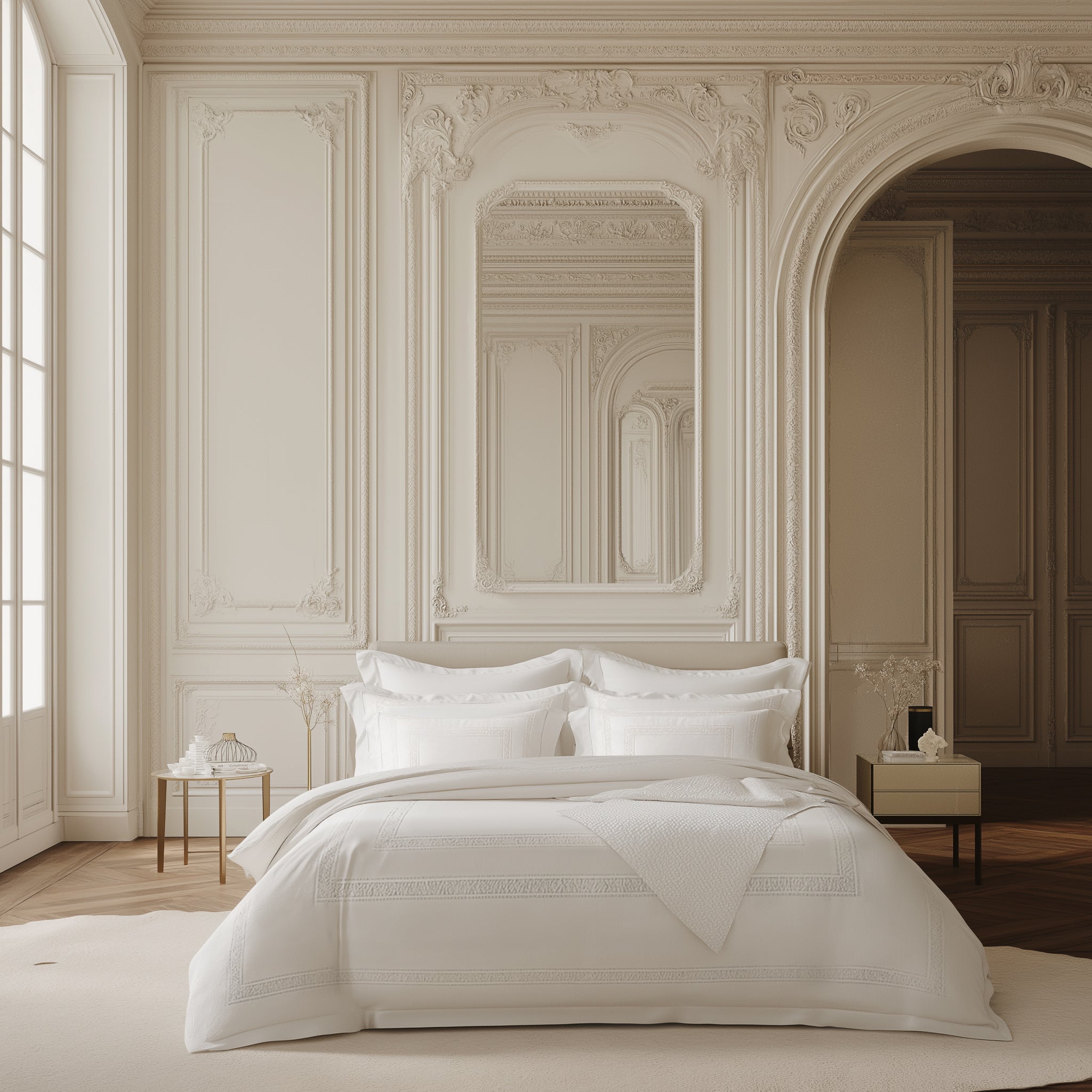
The same principles can be seen in French homes: natural fabrics, understated colour palettes, elegant table settings and carefully selected decorative details create spaces that feel sophisticated without being overly formal.
At the heart of it all is savoir-faire - the knowledge, skill and craftsmanship passed down through generations.
The Art of Savoir-Faire
The French word savoir-faire refers to specialised knowledge and practical expertise - particularly the skill involved in creating something exceptionally well.
In haute couture, this can mean intricate embroidery, hand-sewn embellishments, precise tailoring or hours of work inside an atelier.
The Fédération de la Haute Couture et de la Mode highlights craftsmanship and atelier know-how as fundamental elements of French haute couture.
Recent couture collections have demonstrated just how important this philosophy remains. From hand embroidery and sculptural techniques to carefully manipulated fabrics, contemporary designers continue to combine traditional craftsmanship with modern creativity.
This is what makes a handcrafted piece different from something produced simply to follow a trend.
It carries the story of the hands, materials and techniques behind it.
From the Fashion Atelier to the French Home
The influence of French craftsmanship doesn't stop at the wardrobe.
The same attention to materials and finishing can be found in French interiors and table culture.
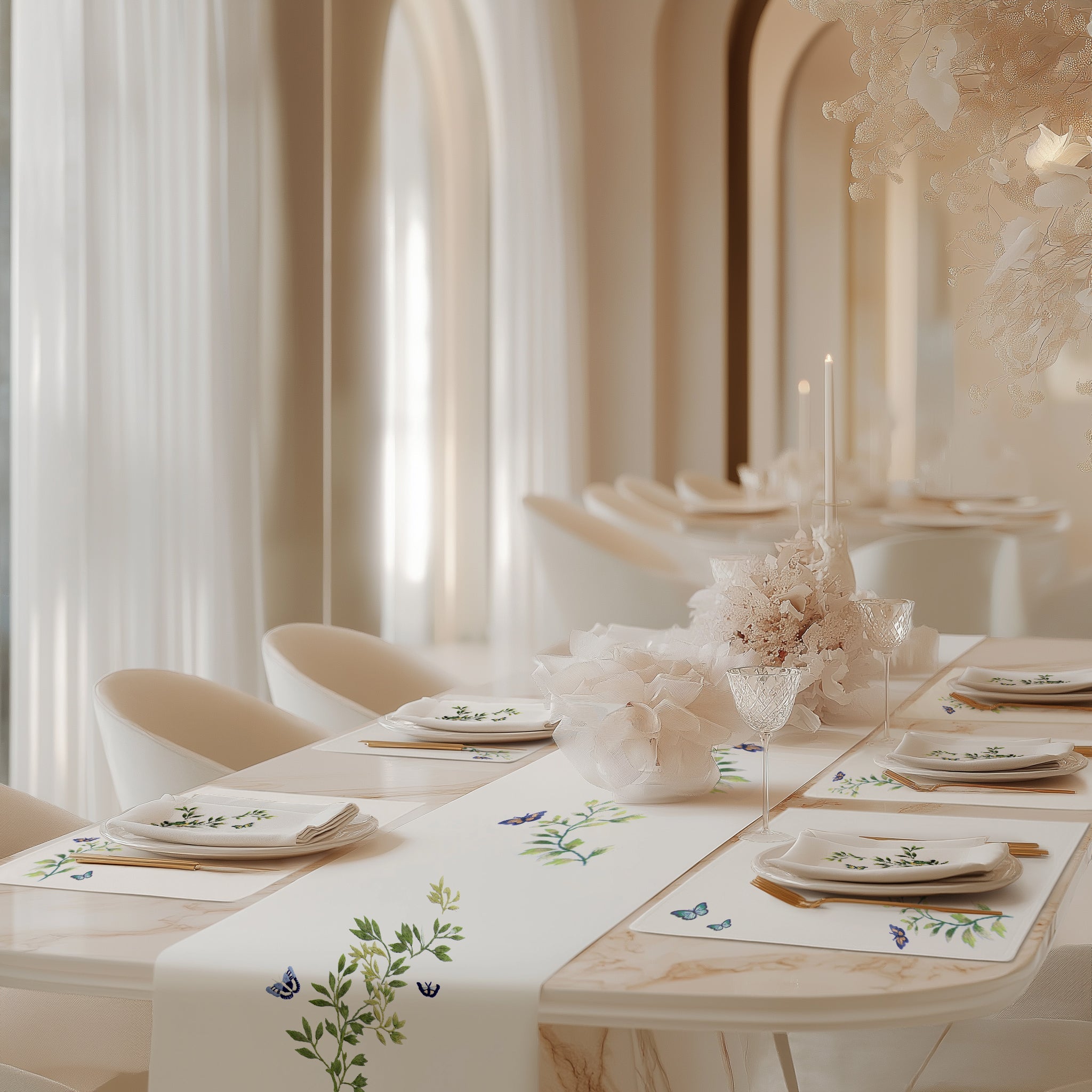
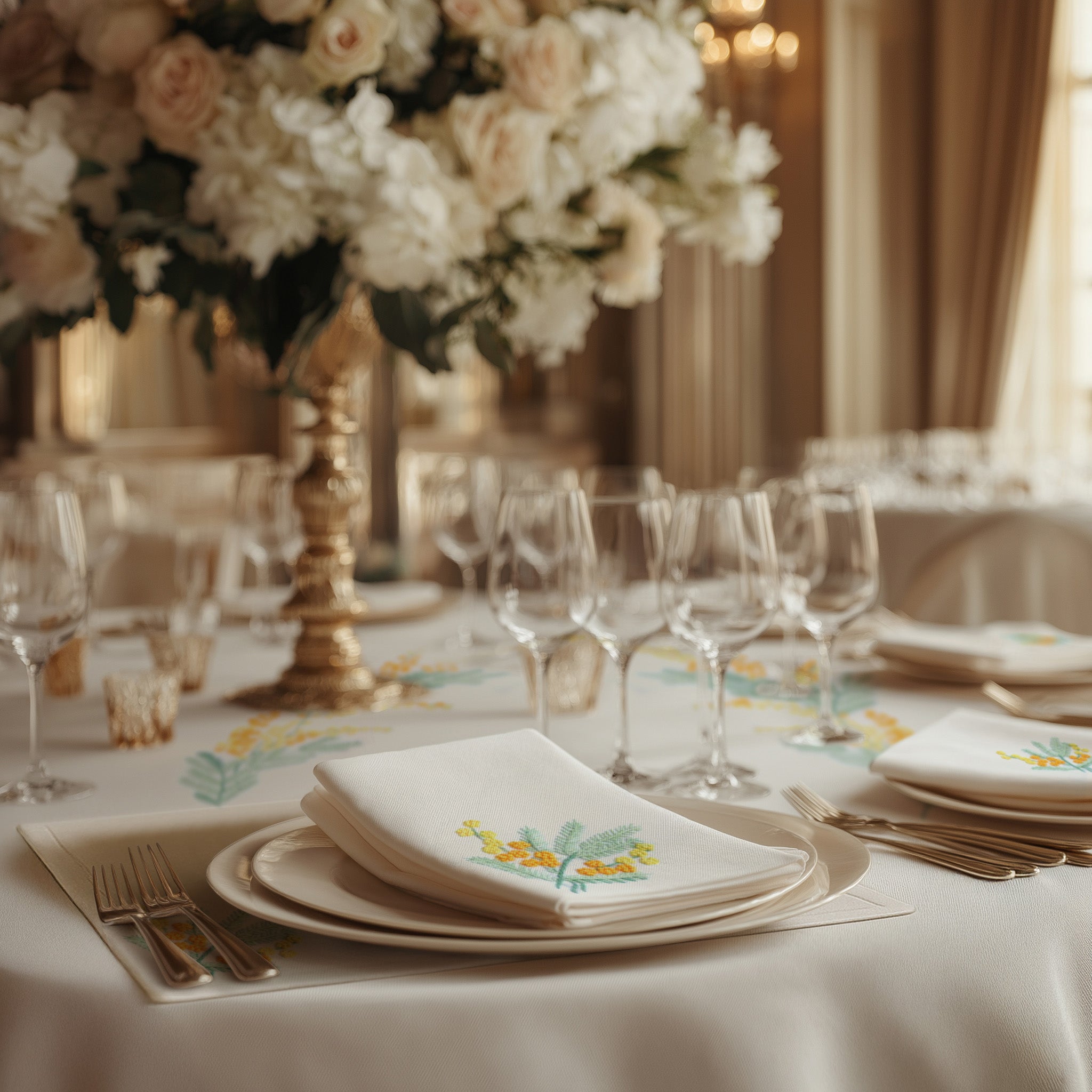
Think of a beautifully dressed dining table in a Parisian apartment: washed linen napkins, a naturally textured tablecloth, delicate ceramics, polished glassware and a simple floral arrangement.
Nothing needs to be overly elaborate.
Instead, the beauty comes from the quality of the materials and the way each element works together.
This is where fashion and interiors share a common language.
A couture gown might be defined by the drape of its fabric. A dining table might be transformed by the natural fall of linen.
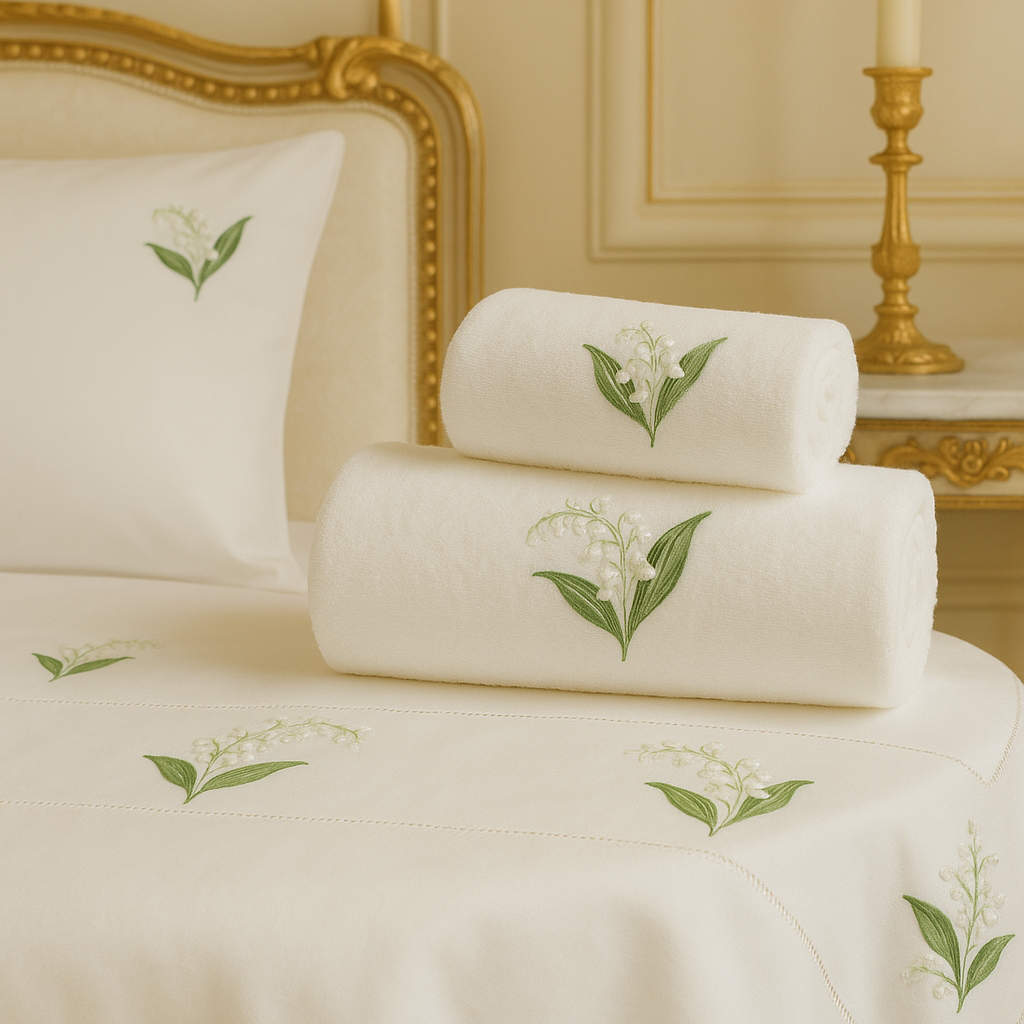
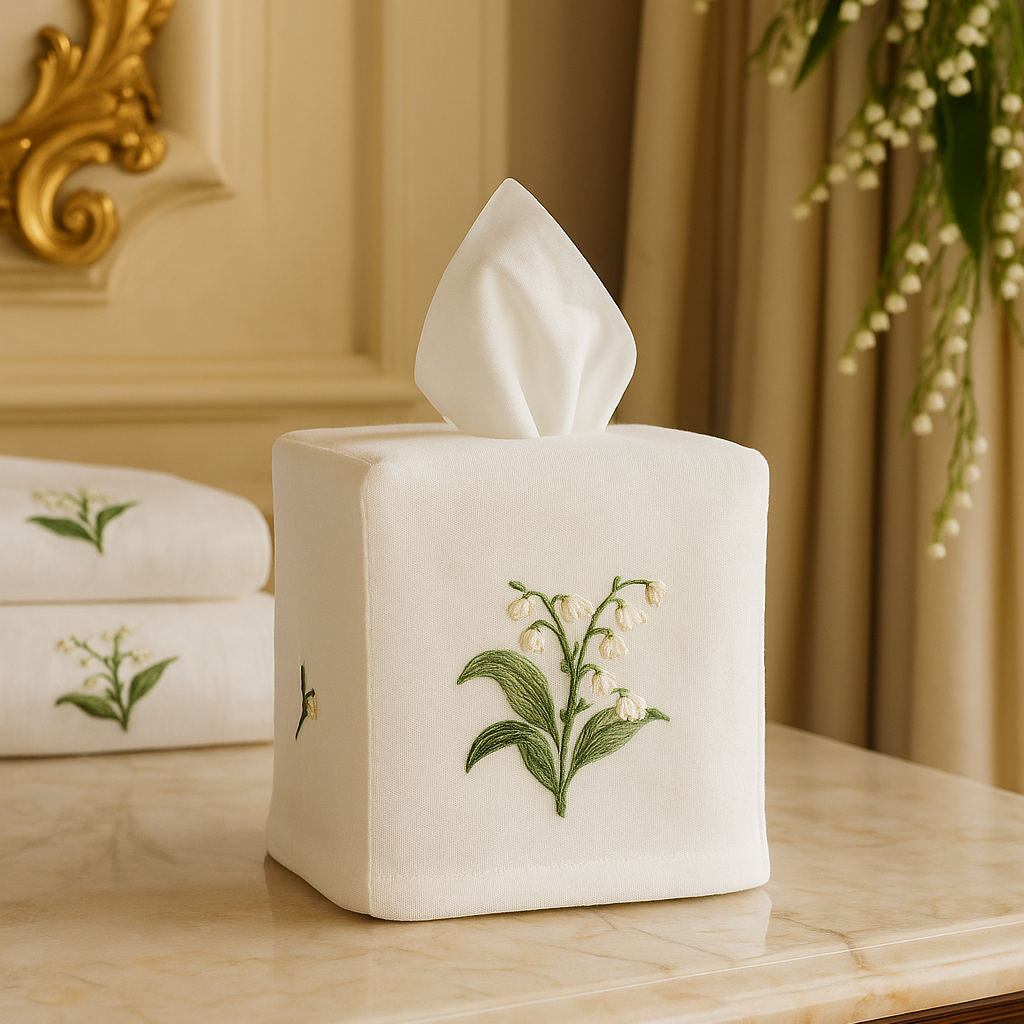
A carefully embroidered detail can elevate a garment just as a refined border or subtle texture can elevate a table linen.
Why Linen Belongs in the French Design Tradition
Linen has a particularly strong connection to the understated elegance associated with French interiors.
Its natural texture, relaxed drape and breathable character give it a sense of effortless sophistication. Unlike highly polished synthetic materials, linen often becomes more beautiful with use, developing a softer appearance and lived-in character over time.
This makes French linen tablecloths and linen napkins particularly suited to the philosophy of timeless design.
A linen table setting does not need to look perfect in a rigid sense. Its natural folds and texture are part of its charm.
The result is elegant, relaxed and distinctly French.
The Beauty of Imperfection
One of the most appealing aspects of French design is its ability to make imperfection feel intentional.
A casually folded linen napkin.
The natural crease of a linen tablecloth.
A slightly irregular handmade ceramic.
A vintage piece placed alongside contemporary tableware.
These details create personality.
Rather than attempting to make every element look identical, French interiors often embrace contrast and texture.
This approach can also be seen in fashion, where designers balance structured silhouettes with flowing fabrics, classic pieces with unexpected details and heritage techniques with contemporary ideas.
Paris Fashion Week 2026 and the Return to Craft
As fashion evolves, craftsmanship remains an important counterpoint to the speed of trend cycles.
The official Paris Fashion Week calendar brings together established fashion houses and emerging designers, while the SPHERE showroom supports selected young creative brands and showcases their work during the Spring/Summer 2027 season.
This combination of heritage and emerging creativity is an important part of Paris's fashion identity.
The message is simple: innovation doesn't have to mean abandoning tradition.
Instead, the most compelling designs often happen when traditional craftsmanship meets contemporary creativity.
That idea is equally relevant to interiors.
Bringing Parisian Fashion Inspiration to the Dining Table
You don't need a front-row invitation to Paris Fashion Week to bring a little French elegance home.
Start with the material.
Choose a beautifully textured linen tablecloth as the foundation of your table. Then layer it with coordinating linen napkins, understated ceramics and glassware.
For a fashion-inspired look, consider:
- Neutral linen: Create a sophisticated base with ivory, natural, beige or soft grey.
- Monochromatic styling: Keep the table within one colour family for a refined Parisian feel.
- Textural contrast: Pair relaxed linen with polished glass, ceramic or metallic accents.
- Simple floral arrangements: Choose seasonal flowers and allow their natural shape to remain visible.
- Elegant linen napkins: Fold them simply rather than creating elaborate shapes.
- One statement element: Like a couture look, allow one detail to take centre stage rather than competing with everything else.
The goal isn't to recreate a runway.
It's to capture the attitude behind French design - thoughtful, refined and effortlessly elegant.
French Craftsmanship Beyond the Runway
Paris Fashion Week reminds us that luxury is not simply about appearance.
It is about the time, expertise and intention invested in creating something.
That philosophy can be found in a couture atelier, a French linen workshop and an elegantly prepared dining table.
Whether it is a hand-finished garment or a beautifully woven linen tablecloth, craftsmanship gives everyday objects a sense of permanence and character.
And perhaps that is the enduring appeal of French style.
It doesn't ask us to constantly replace what we own with something new.
It encourages us to choose beautifully, care for thoughtfully and appreciate the details.
Bringing the French Art of Living Home
As Paris Fashion Week 2026 celebrates another season of creativity, its most lasting influence may be found beyond the runway.
The principles of French craftsmanship - quality materials, attention to detail, timeless design and an appreciation for natural beauty - can become part of everyday living.
From a beautifully set breakfast table to an elegant dinner with friends, linen can bring the relaxed sophistication of French design into the home.
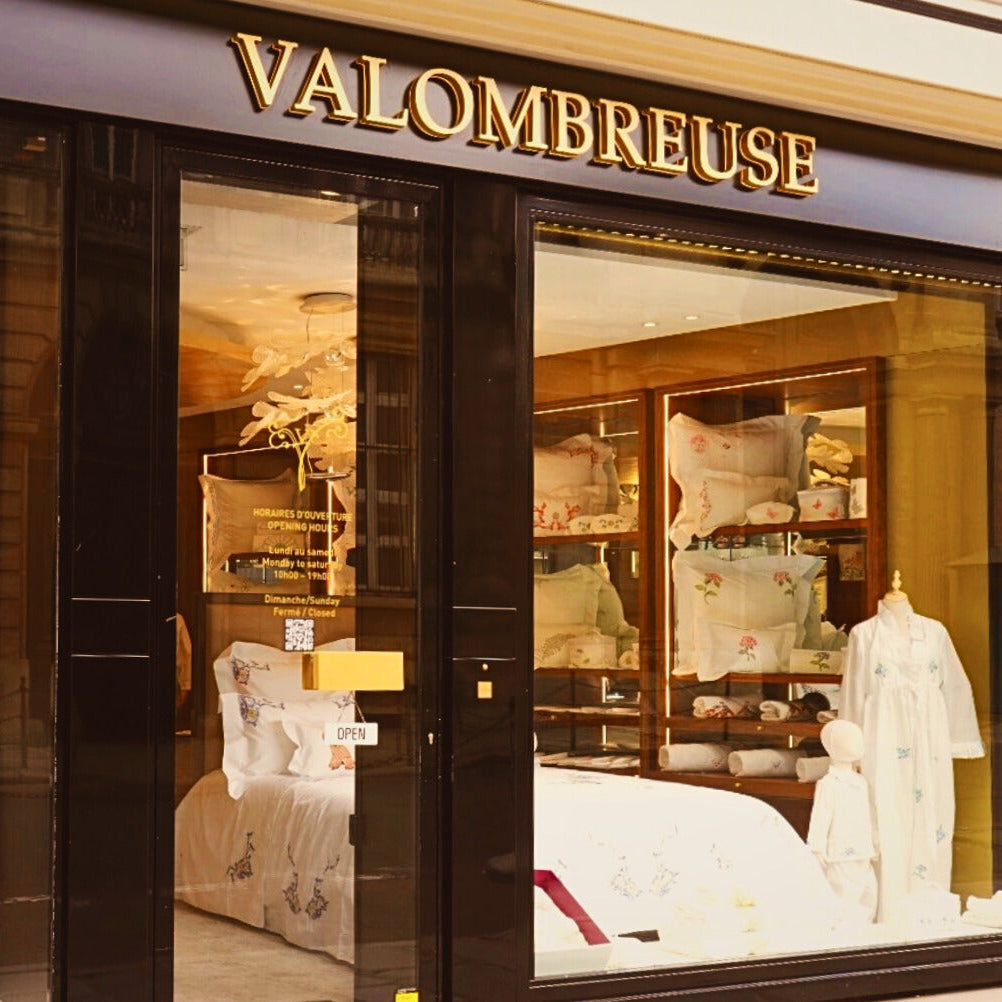
Explore Valombreuse's collection of French-inspired luxury table linens to create a table where craftsmanship, natural texture and timeless elegance come together.
Because true French style isn't only something you wear.
It is something you live.
FAQ'S
1. When is Paris Fashion Week 2026?
Paris Fashion Week for the Spring/Summer 2027 womenswear collections will take place from September 28 to October 6, 2026. The event brings together fashion houses, designers, industry professionals and fashion enthusiasts in Paris.
2. Why is Paris Fashion Week important to French style?
Paris Fashion Week is one of the world's most influential fashion events. It showcases French and international designers while highlighting the craftsmanship, creativity, quality materials and innovation that contribute to the identity of French style.
3. What is French savoir-faire?
French savoir-faire refers to the specialised knowledge, skills and techniques developed and passed down through generations. In fashion and interiors, it is reflected in careful craftsmanship, high-quality materials, refined finishes and attention to detail.
4. Why is linen associated with French elegance?
Linen is valued for its natural texture, relaxed drape and timeless character. Its understated beauty complements the French approach to design, which often embraces natural materials, simplicity and effortless sophistication.
5. How can I create a Parisian-inspired table setting?
Start with a natural linen tablecloth and coordinate it with linen napkins, understated tableware and simple seasonal flowers. Neutral shades such as ivory, beige, natural and soft grey can create a sophisticated Parisian atmosphere.
6. How can I bring French craftsmanship into my home?
Choose timeless pieces made from quality materials rather than following short-lived trends. Linen tablecloths, linen napkins, handcrafted ceramics and carefully selected decorative pieces can introduce the elegance and character of French design into your home.
7. What makes French style timeless?
French style focuses on quality, simplicity, craftsmanship and thoughtful details rather than constantly changing trends. This approach creates an elegant aesthetic that feels both refined and naturally relaxed.